
Idea / MSVE.com
A performance label with a point of view
Start with a training group, one garment, and useful wear feedback before planning a wider collection.
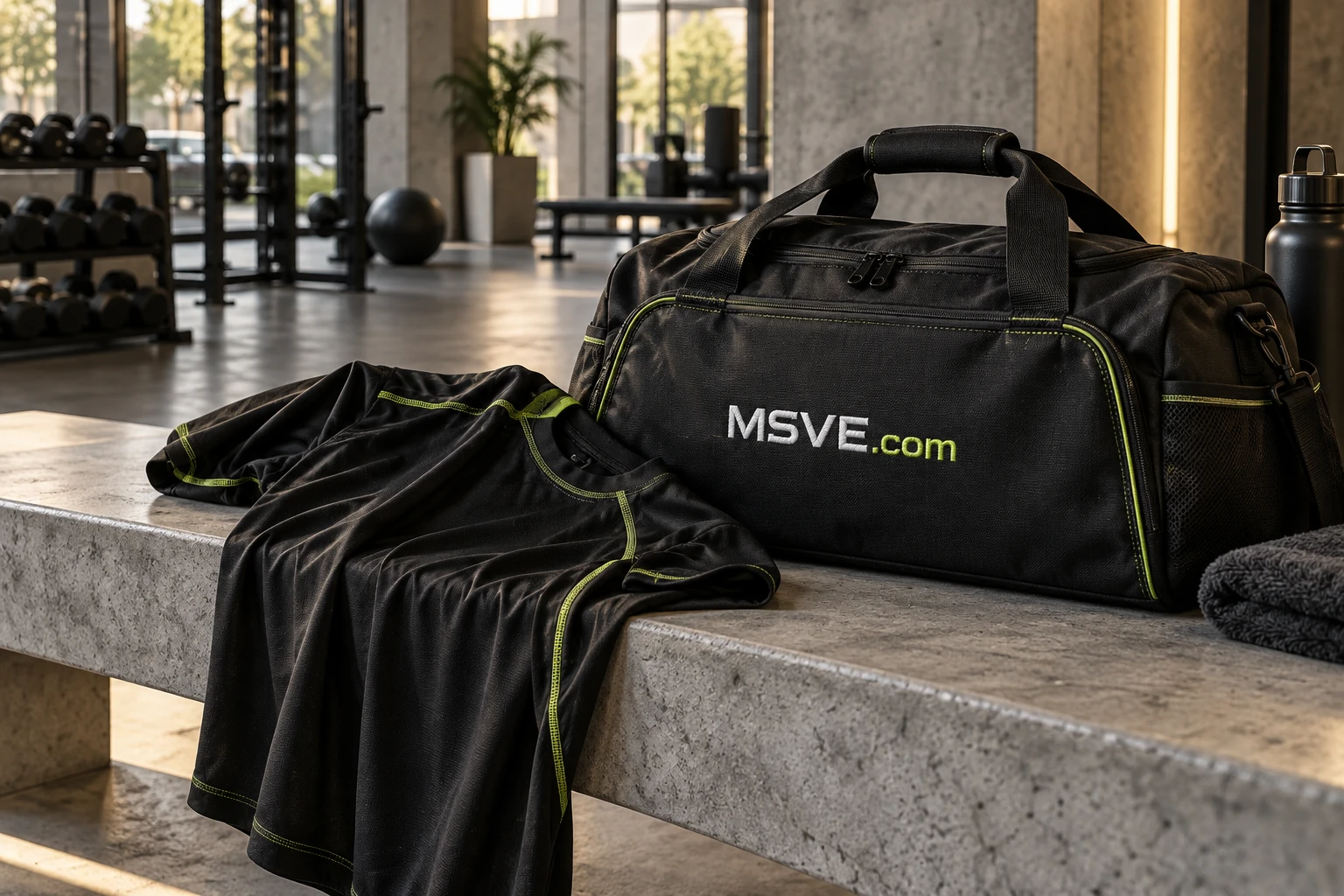
Start with the people who will wear it.
An MSVE training label could begin with one garment for a particular group of people. That is a more useful starting point than a large collection tied only to an energetic visual identity. Choose a real training context: a local strength group, a running club, or people who attend the same kind of class. Each setting creates different expectations about movement, storage, coverage, and how a garment feels after repeated use.
Speak with members of the group about clothing they already own. Ask them to describe a recent session and the moment a garment became distracting. A sleeve might catch, a pocket might move, or a seam might rub. Ask which item they reach for most often and what keeps it in rotation. These conversations can reveal a specific product problem. They do not establish broad demand, so keep the initial conclusions modest and documented.
Choose one garment and one job.
Suppose the group repeatedly mentions a training shirt that feels comfortable during lifting but still looks presentable afterward. A founder could explore that single brief. Write down the intended fit, movement requirements, care expectations, and visual treatment. Identify which qualities are essential for the first sample and which can wait. This gives a designer or supplier a clear problem to respond to.
This is an illustrative direction for a future brand. No apparel inventory, pattern, supplier relationship, or existing community is included with MSVE.com. A buyer taking this route would need to develop the product and business independently. The compressed spelling could work as a small garment mark, but the product has to earn its place in a wearer's week through fit, comfort, and dependable execution.
Turn observations into a sample brief.
A useful sample brief describes the wearer and the activity in ordinary language. Include reference garments with notes about the specific feature being discussed. “Like this shirt” is too broad; “the sleeve stays clear during an overhead reach” tells a supplier more. Record proposed measurements and ask the relevant specialist to explain how they affect the intended fit. Keep aesthetic preferences separate from functional requirements so tradeoffs can be discussed clearly.
Request information about the supplier's sampling process, minimum quantities, lead times, and revision costs before committing. Those terms vary and need confirmation for the actual project. Ask how changes will be recorded between samples and how the approved version will be identified. A founder should know which decisions remain reversible and which will affect later production. Put that understanding in the plan before any launch date is announced.
Organize wear feedback carefully.
Invite a small group of intended wearers to try the sample in the relevant setting. Explain what feedback is being collected and how the sample will be used. Give each person the same short set of questions so observations can be compared. Ask about movement, pressure, length, and comfort at particular moments. A vague rating such as “great shirt” is encouraging but gives little direction for the next revision.
Keep body size and personal preferences in view when interpreting comments. One wearer's preferred loose fit may conflict with another's preference for a close fit. Record the difference instead of averaging it into an unclear instruction. Ask whether the intended customer definition needs narrowing or whether a fit option needs further work. The goal of this round is to improve a garment for a defined use, not to make one sample satisfy everyone.
Build a small operating plan.
Alongside the sample, map how an order would be handled. Who checks incoming stock? Where is it stored? How are sizes labeled? What happens when a customer needs an exchange? Even a small capsule creates practical work beyond design and promotion. Write a sample order through from purchase to packing to a possible return. That exercise often reveals missing information before a real customer encounters it.
If considering preorders, make the assumptions explicit. Confirm production commitments, expected timing, communication responsibilities, and the terms customers would see. Do not treat interest expressed in a conversation as a completed order. A founder needs a plan for delays and for answering questions while customers wait. Appropriate commercial and legal advice should inform the actual terms; an illustrative brand concept cannot supply them.
Let community participation have a purpose.
A training group can contribute useful feedback and a setting for photography, but participation should be agreed rather than presumed. Ask permission before publishing names, images, or comments. Make clear whether a wearer is testing a sample, receiving a product, or joining a paid collaboration. Those relationships should remain understandable to both the participants and anyone who later encounters the brand's content.
Early distribution could focus on the same activity that shaped the garment. Show how the product fits into a real session and explain the choices that came from testing. A short product page can describe fit, material, care, and intended use in concrete terms. Avoid performance claims that have not been established. The product story is stronger when it can point to observable details and an honest account of development.
MSVE could give this label a concise mark and a .com address that carries across a garment tab, a package, and a club notice. Test the complete name with the intended wearers and decide how it should be spoken. The first action is to interview one training group and prepare a brief for one garment. That produces a practical decision about product fit before the founder invests in a collection or a larger brand launch.
Could MSVE.com fit your next project?
Discuss acquiring the domain or introduce a partnership idea.
Inquire about MSVE.com →