Idea / MSVE.com
A studio for work with presence
Plan one clear campaign package, assemble the right collaborators, and use a pilot to shape a creative studio.
Start with one kind of campaign.
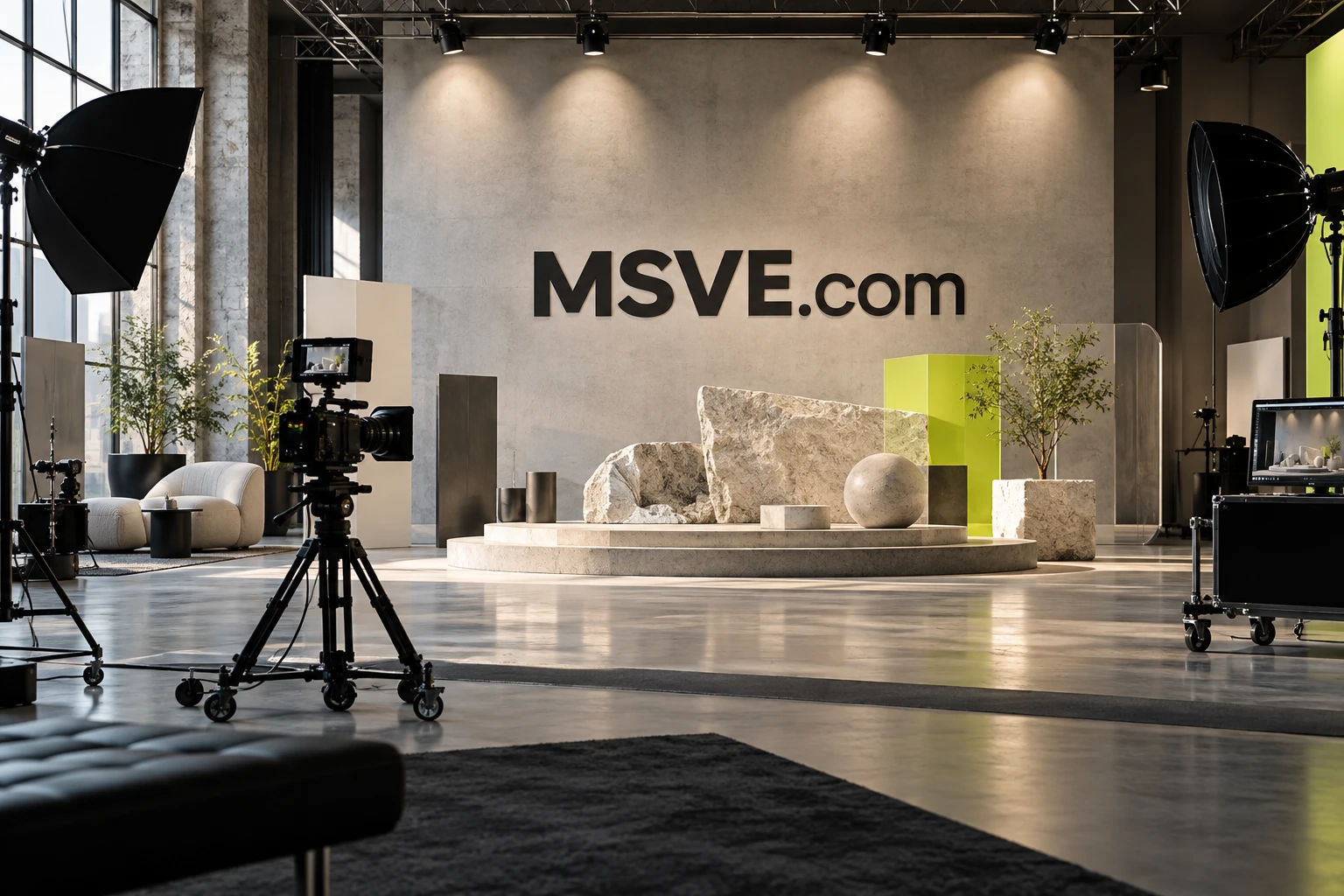
A creative production studio under the MSVE name could help independent brands turn an approved concept into a useful set of campaign assets. The initial offer needs a boundary. “Everything creative” makes it difficult for a client to know when to call and for a small team to estimate the work. A more useful opening might be a compact launch package for a sports or lifestyle product: one short film, a set of stills, and a few clearly specified social edits.
That package gives a founder something concrete to test. Imagine an independent bag company introducing a new training bag. The client needs to show how it carries equipment, how it looks in use, and why its design deserves attention. A studio can propose one location, one shooting day, a modest cast, and a defined list of final files. The example is a planning exercise, not an existing MSVE service or a promise about production cost.
Learn where a buyer gets stuck.
Before designing a website full of services, speak with a few people who commission creative work. Ask about their last launch. Who wrote the brief? Which files were missing when the campaign went live? Where did revisions consume time? A useful conversation follows an actual project from first request to final delivery. General questions about what someone would like often produce a much less actionable wish list.
Look for a repeated problem that the proposed package can address. One brand might have good product photography but struggle to explain use. Another may commission a film and discover too late that it needs vertical versions with different opening frames. Those are different offers. Choose the problem the team can solve well, then describe the deliverables in the buyer's language. Keep a record of assumptions that still need a paid project to test.
Make the scope visible.
A campaign package should say what is included, what the client must supply, and how decisions will be made. List the number and duration of edits, image selections, aspect ratios, review rounds, and expected source materials. Explain who arranges the location and who approves talent or props. This helps both sides recognize the work before a date is reserved. Pricing would follow the actual requirements and a written agreement.
Build a small sample treatment around the bag launch. Include a plain statement of the audience, three shots that explain the product, and a rough sequence for the short film. Add a delivery table with a filename, format, and intended channel for each asset. If a deliverable has no clear use, ask whether it belongs in the package. That question can save a client from receiving a large folder that is difficult to put to work.
Assemble a dependable production group.
A founder does not need to perform every discipline personally. The business can be organized around a producer who brings together the right collaborators for a project. Map the roles required by the proposed package: direction, camera, lighting, styling, editing, and sound might all matter. Find out which roles can reasonably be combined and which require separate attention for the particular shoot. Confirm availability before presenting a firm schedule.
The working relationship matters as much as a reel. Ask potential collaborators how they handle feedback, file delivery, and changes on the day. Walk through a small hypothetical problem, such as a product sample arriving late. Agree who communicates with the client and who can approve an adjustment. These conversations give a new studio a more useful operating foundation than a long list of loosely connected names on a partner page.
Use a pilot to create evidence.
A first pilot could be a deliberately limited project with a willing brand. Write the scope as carefully as for a larger commission. Decide in advance what the team wants to learn: whether the brief is clear, whether the shooting plan is realistic, and whether the final assets are easy for the client to deploy. Ask permission for any portfolio use rather than assuming the finished work can be published.
After delivery, review the project with the client and the crew. Compare the planned sequence with what actually happened. Which approvals arrived late? Which shot required more preparation? Which export was used first? Preserve those observations in a short internal project note. A good pilot produces a better package and a credible example of work, even if it also reveals that the original offer needs narrowing.
Find clients through relevant work.
Distribution can begin with a small, carefully chosen group of brands whose launches resemble the pilot. Show the finished assets in context and explain the problem the package addressed. A short case page might include the initial requirement, the agreed deliverables, and the finished set. Avoid claiming commercial results that were not measured or supplied by the client. The work itself should help a prospective buyer decide whether to start a conversation.
MSVE could sit above a direct descriptor such as “Creative production.” Its compressed spelling and possible “massive” association suit a studio interested in work with presence, but the portfolio would need to establish what that means in practice. Try the full MSVE.com address on a treatment cover and a closing frame. Then test whether a prospective client can read it, repeat it, and connect it with the service. The first next step is a scoped campaign discussion with one willing brand.
Could MSVE.com fit your next project?
Discuss acquiring the domain or introduce a partnership idea.
Inquire about MSVE.com →